Familiar Faces Leading a Fresh Chapter

Kate and Catherine, Peatland Progress Wet Farming Advisors

We welcome the return of two former members of staff, Kate Carver and Catherine Weightman as Peatland Progress Great Fen Wet Farming Advisers.

The Great Fen’s ground-breaking National Lottery Heritage Fund (NHLF) Heritage Horizons project Peatland Progress is welcoming the return of two former members of staff, Kate Carver and Catherine Weightman as Great Fen Wet Farming Advisers. Their skills and experience have been brought back to the Great Fen to spread the word about an important and exciting element of the project, that of Wet Farming, or Paludiculture, farming on rewetted peat soils at higher water levels. 

Kate and Catherine will be working with the Great Fen team for the next 17 months (until the end of the Peatland Progress project in December 2027) on site in the Great Fen, out and about in the Fens and further afield. They will be reaching out to Wildlife Trust BCN members, supporters and partners, to local communities, to farmers, growers and landowners, to scientists, academics, and students, to policy makers and politicians, to everyone and anyone, young or old, who want to explore the potential of wet farming.

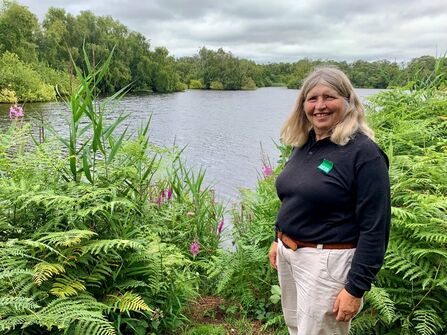
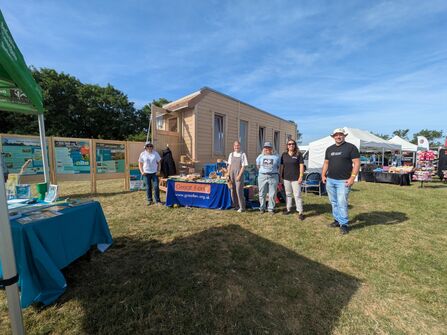
Kate and Catherine wear Wildlife Trust tops and stand at a Wildlife Trust information stand

Kate and Catherine promoting the Great Fen

A return to familiar ground

Kate Carver is deeply woven into the story of the Great Fen. As the former WTBCN Great Fen Project Manager, she guided major restoration milestones, built strong partnerships, and helped shape the long-term vision for the landscape. Her knowledge of the site, the people, the peat, the development of paludiculture (wet farming) and the Great Fen’s massive potential, brings invaluable continuity to this next chapter.

Catherine Weightman also returns with long-standing ties. During her time with Natural England, she played a key role as a partner in the Great Fen’s development, contributing expertise in peatland conservation, policy, and collaborative work. Her understanding of the wider Fenland context, and the national picture of peatland restoration, strengthens the Great Fen’s ability to innovate and influence.

Championing Wet Farming Through the Tiny House

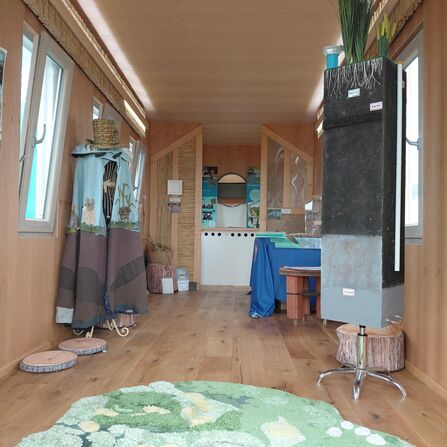
A major focus of their new roles will be promoting wet farming with the NLHF funded Mobile Inspiration Hub, more commonly known as the Paludiculture Tiny House. The newly constructed Tiny House is a trailer-mounted mobile showcase for wet farming. It is largely made from wetland materials grown as wet farming crops. It is intended to demonstrate the potential end use of materials grown in rewetted peatlands and how they can be used in everyday life.

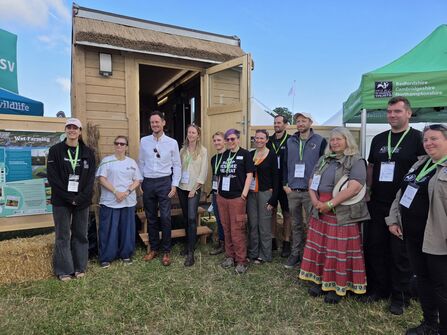
Over the coming months, Kate and Catherine will take the Tiny House to events, farm gatherings, and public festivals, giving people the chance to step inside and experience paludiculture in a tangible, memorable way. From reed and typha insulation and building materials, to fuel, textiles, and peat-free horticultural growing medium, the Tiny House showcases how wet-grown materials can support sustainable construction, farming, and innovation.

Seeing paludiculture on the ground 

As Kate and Catherine’s wet farming engagement work unfolds over 2026/27, a wide variety of pre-booked groups will be able to visit the Tiny House and the new Peatland Progress wet farming site at Speechley’s Farm which is currently under construction. Here, trial plots for wet farming crops are being prepared. These visits will offer a rare opportunity to see wet farming in action and learn about the science behind it. Visitors will be able to enjoy a guided walk through new wetland, explore the trial plots, learn how wetland crops, food, and fibre can be grown in the Fens, and explore the possible future applications of these crops, creating opportunities for new income streams. These trials will be a living laboratory — a place where the future of Fenland farming can be tested, refined, and shared.

Kate and Catherine will also be working with the wider Great Fen team to show how wet farming can support wildlife and mitigate the impact of climate change by preventing carbon loss.

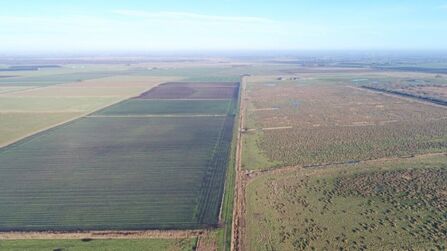
The wet farming site at Speechly’s Farm is part of a much larger wetland creation. Ground works are underway to create some 73ha of new wetland supporting biodiversity and bio-abundance, creating a haven for fenland wildlife.

Advocacy and relationships - Engaging Fenland Communities and Decision-Makers

Another key part of Kate and Catherine’s work as Wet Farming Advisers will be building relationships across the Fenland community, with farmers, land managers and landowners, with drainage boards, local authorities, scientists and academics, and with the various fenland groups and organisations.  Changing farming from a dry, heavily drained system to a wetter, climate-resilient one requires collaboration, trust, and shared vision. Kate and Catherine will help to facilitate conversations about the future of Fenland farming, connect decision-makers to practical examples of wet farming support landowners exploring transitions to wetter systems, and champion the benefits of rewetting for soil, water, biodiversity, and long-term climate resilience. Their role is as much about listening as advising — understanding local priorities, concerns, and opportunities, and helping shape a pathway that works for the people who live and work in the Fens.

The Great Fen has always been built on partnership, expertise, and long-term commitment. The new posts of Great Fen Wet Farming Advisers continues this ethos, and  ensures that wet farming is supported by people who know the land, understand its challenges, and believe deeply in its future, an exciting step toward a more resilient Fenland, and a thriving future for the Great Fen.