June sightings

June sightings

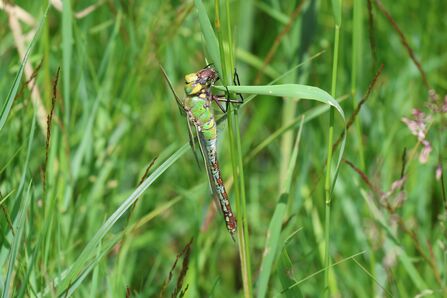
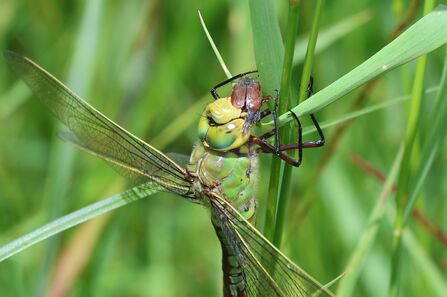
Emperor dragonfly on Great Fen Ecotour, June 2026 by Henry Stanier

The hot weather has brought the insects out day and night. June has been a fascinating time to investigate the Great Fen.

With such a hot month, it has not always been possible to get out and enjoy the Great Fen, but there have been times when a night-time foray has been most rewarding. Badger cubs have been out and about, and the earie green glow of female glow-worms have illuminated the fenland paths. We have been out looking for glow-worms a bit earlier this year, due to the very warm temperatures at night, and will continue to survey for them in the coming weeks.

You too can enjoy such intriguing encounters, especially as we have a variety of walks running at the moment in our events programme. Watch and listen out for other wildlife. As we move into July, more and more grasshoppers and bush-crickets will become adult, including our super-sized great green bush cricket.

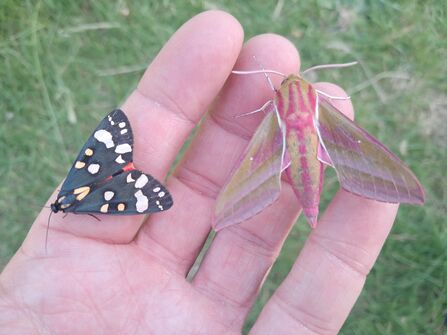
Many moth species are now on the wing, the hot weather resulting in many emergences. Quite a few of you have reported seeing the scarlet tiger, day and night, as well as the very impressive goat moth. Once again, elephant hawkmoths are very numerous in light traps recently. As always, keep a lookout for beetles in your moth traps; more records are coming in of the great silver water beetle recolonising former haunts. Yet another record came in recently, for out reserve at Trumpington!

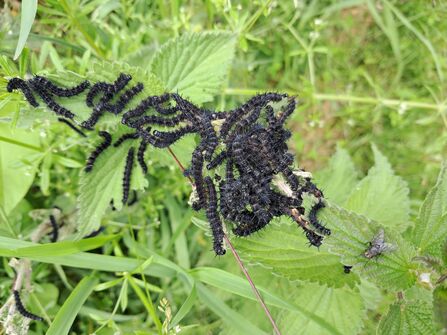
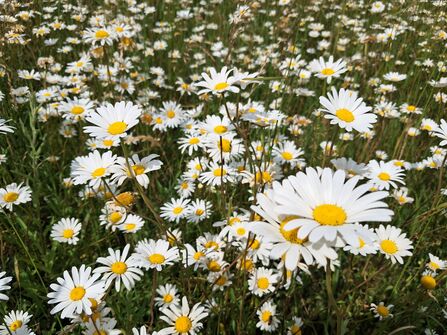
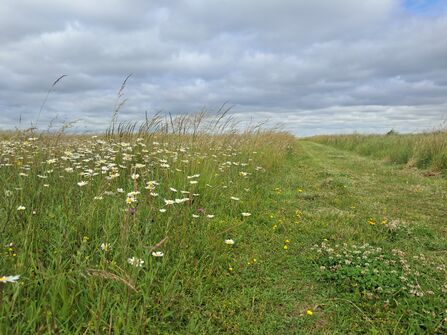
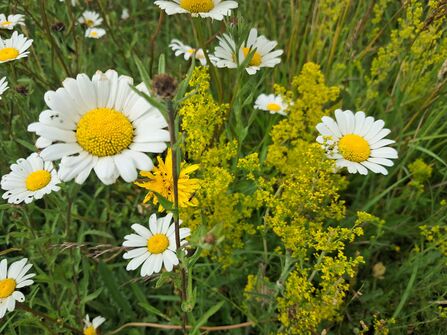
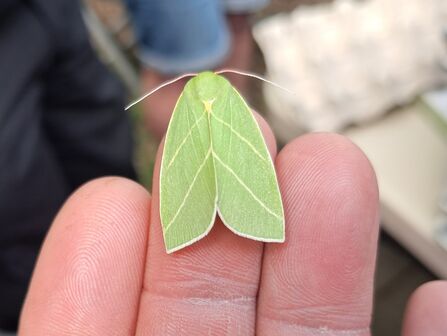
Our annual Ecotour, in June, recorded 238 moths of 61 different species, including a variety of hawkmoths and a stunning scarce silver-lines. Dragonflies are on the wing and continue to grow in numbers at this time of year, something to lookout for this July. On the Ecotour, we had a close encounter with our biggest dragonfly, the emperor, just snacking on a recent catch! The caterpillars of the peacock butterfly were also in evidence, as we took in the magnificent view of the wildflower meadows on the Northern Loop, full of oxeye daisies and many other flowers. You may have noticed it has been a good year for oxeye daisies, being numerous in the roadside verges. Amongst the flowers, butterflies, and day-flying moths, such as five-spot burnets, have been feeding and laying eggs. If you have a passion for moths, and a Member of our Trust, you are in for a treat on Saturday 3rd October, when our Member’s Day and AGM will be at the Great Fen, and I will be revealing more about the night-life of the Fen, as part of a moth trapping session.
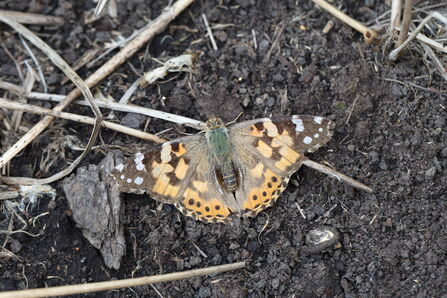
Painted ladies have also been in good numbers this year, in various sites across the Great Fen (including Engine Farm and Speechly's Farm) and it was interesting to find some of their caterpillars on the Northern Loop as well. If you do visit the Loop, listen out for the songs of the bird life, not just the skylarks, but also sound and sight of parachuting meadow pipits, and the songs of corn buntings and quail.

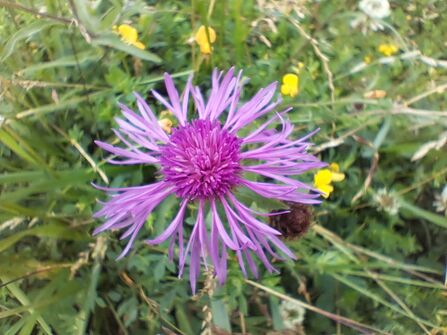
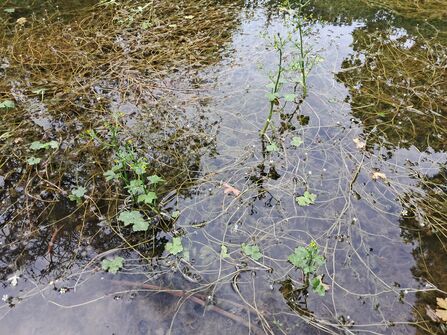
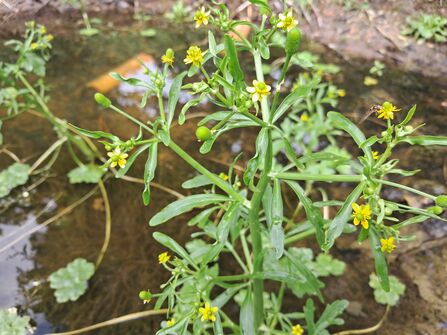
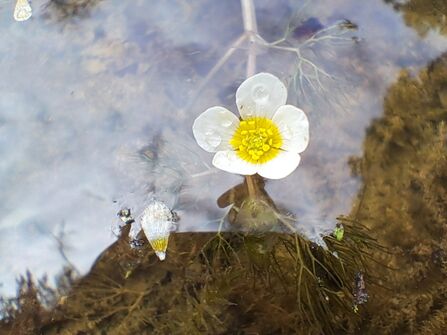
Following on from last June’s report, the restoration work at Ramsey Heights Nature Reserve is showing more evidence of the benefits, as the plant life appears in the ponds in the form of stoneworts, celery-leaved buttercup and common water crowfoot. Take a walk there, maybe just sit and watch by the waterside, gaze into the reeds and watch for a twitch in the vegetation as birds move through, hunting and feeding. If you are keen on your wild flowers, then  enjoy the aquatic frogbit, that is now in flower in various parts of the Great Fen, as wells as the ditch-side purple-loosestrife, and soon the butterfly-attracting hemp-agrimony will be out.

Many fledged birds are on the move now, some in flocks. The other day I encountered a mixed flock of young blue tits, great tits, long-tailed tits, blackcaps and reed buntings. Reed buntings seem to be doing particularly well this year, with singing males being recorded in many parts of the Great Fen on our bird transects, as have grasshopper warblers. Sedge warbler chicks have fledged already and now young reed warblers are starting to appear, while other species are gathering into flocks of mixed age, such as lapwing.

More young mammals, such as water voles, are also out and about. We will be getting ready to survey for this species again in a few weeks’ time, as part of our monitoring programme. You might like to join in and delve into the Great Fen and help gather important ecological data about this highly protected species, in preparation for yet more landscape-scape restoration work at the Great Fen. There is a lot going on at the Great Fen, so watch out for more updates on this soon.

Henry Stanier (Great Fen Monitoring & Research Officer)