Preparing for spring

Preparing for spring

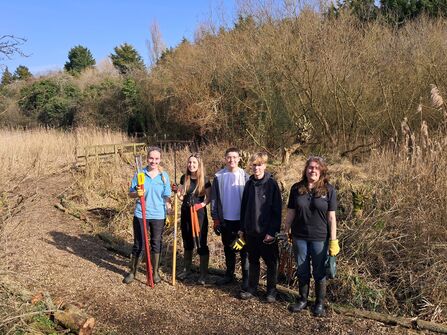
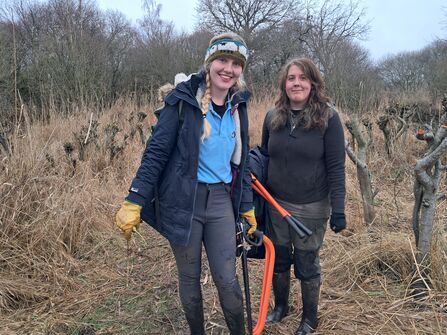
Successful pond management completed by trainees and and work experience students. By Henry Stanier

As we move into spring, with some very sunny weather, it is worth looking back at activities over the past few months. In readiness for spring, there has been plenty of work to prepare for a variety of monitoring projects that will take place in the coming months.

Once again, Ramsey Heights Nature Reserve has been the focus for habitat management, as a result of great crested newt monitoring last year. Ponds naturally develop from open water bodies with little vegetation to densely vegetated and shaded habitats. This progression supports a changing collection of wildlife, but we reset the process from time to time, so we have a range of such habitats on a particular site at any one time.

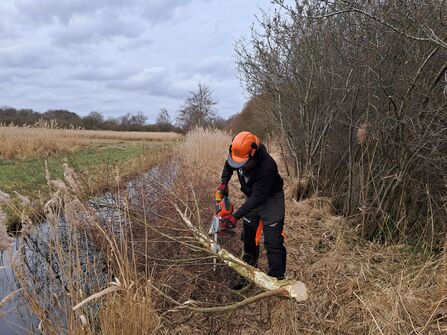
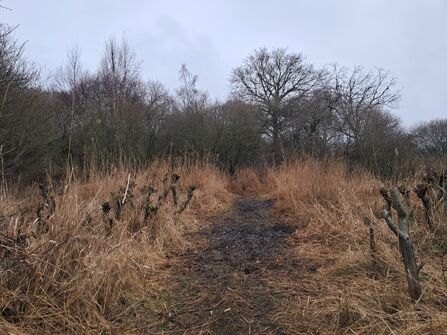
Clearing back brambles and cutting back encroaching scrub and trees is just one example of the work done over the winter, allowing the shallow water at the edges of ponds to warm up quickly as temperatures rise, speeding the growth of newly hatched amphibians. Species of willow, and other trees and shrubs, can be cut to about waist height (a method called pollarding) to maintain the tree but still let light in. This management also allows us access, to monitor the newts safely and demonstrate to visitors how we do it.
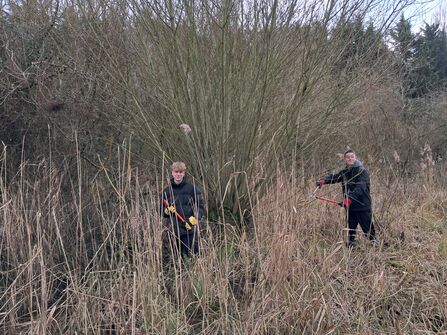
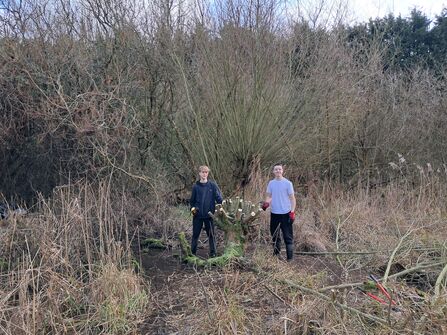
Preparations for monitoring later this spring, can overlap with other forms of habitat management, of reedbeds and diches for example. This winter, staff, trainees, and volunteers have all been our getting sites ready for bird ringing projects and also events designed to showcase our monitoring work, such as the Great Fen Ecotour.

Management, such as lowering the height of scrub on the edge of reedbeds or management of hedgerows, provides the necessary conditions for successful monitoring to be caried out, but also contributes to reserve management objectives to maintain the condition of a site.

This winter, we have been out cutting back silver birch and alder from the edge of ditches at Woodwalton Fen, helping our Great Fen Partner, Nature England, with their management of this wonderful National Nature Reserve. This is just one place where we run a Constant Effort Site, gathering useful data on the productivity on the wetland birds that breed there. Maintaining corridors through the reserves, along ditches etc, and lowering the height of scrub, also allows bird to be more easily caught and ringed, and so provide some very important ecological data about them, there breeding success, their movements, and the condition of the reserve, as well as contributing data to a national monitoring scheme.

It has been great to have the support of fellow staff members and other people, from a variety of backgrounds, to join in the varied conservation work at the Great Fen this winter, and now we eagerly await the coming months as the fieldwork for many monitoring projects resumes. Bird ringing, bird transects, stonechat walks, badger and water vole signs surveys, and moth and water beetle surveys, are just some of what is coming up.

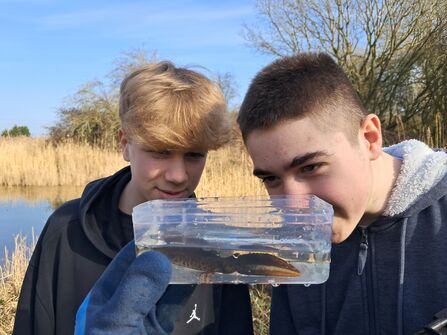
It has been quite mild at times already this year, so the amphibians have been active; great crested newts have returning to their ponds, common toads have been croaking from the ditches in the Fens, and now common frogs have been stirring and laying their spawn.

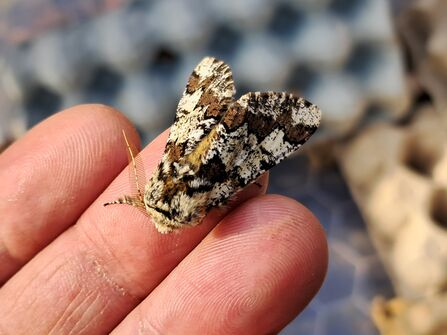
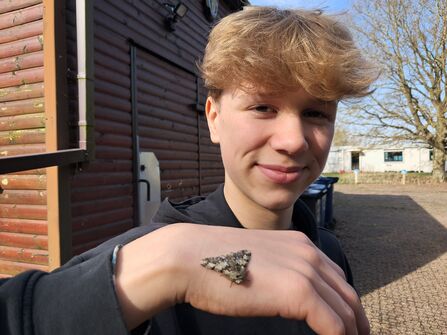
Initial checks on wildlife this year, using moth trapping and newt surveys have already showed the wildlife is on the move, and reports have also come in that our water beetles are also out and about. This includes the great silver water beetle, an ongoing topic for our blogs, which is good timing, as we have our Wildlife Training Workshop providing an Introduction to Water Beetles coming up this month.