Barriers and Secrets to Success - Young People in Conservation

Barriers and Secrets to Success - Young People in Conservation

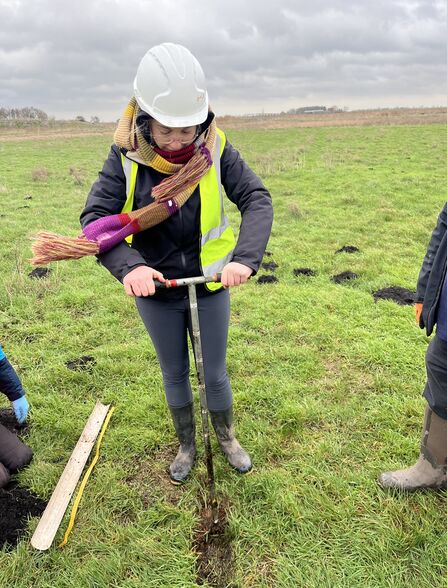
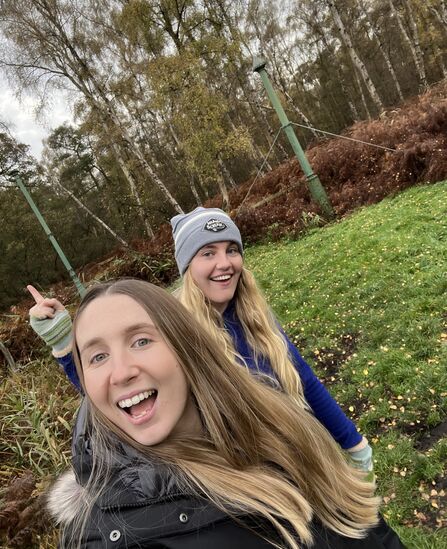
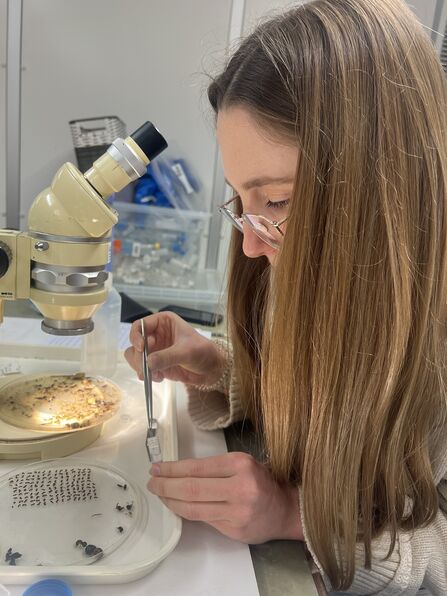
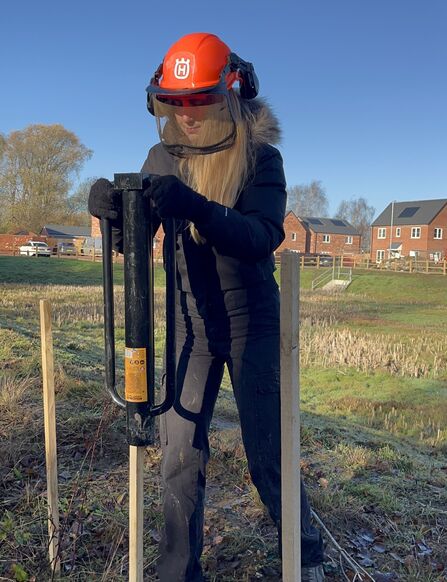
Ellen and Kaitlyn, Peatland Progress trainees, ready to work in conservation. 

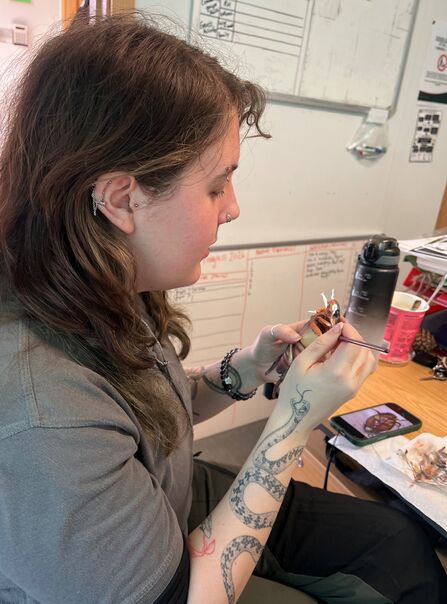
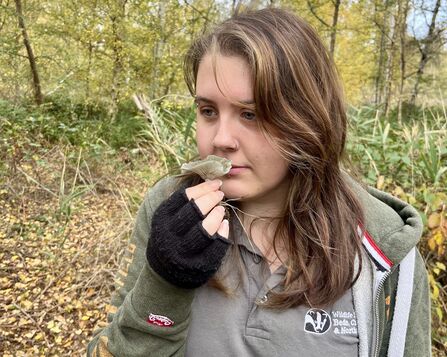
Young people want to work in conservation, so what's stopping them? Our Peatland Progress trainees reflect on their career journeys so far and what the barriers may be for the new generation of conservationists.
Katie sites outdoors wearing a Christmas jumper smiling to camera

Katie Bolton, Peatland Progress trainee.

Katie Bolton: When I completed my degree in 2024, what I had most in common with almost all of my fellow Zoology graduates was struggling to get a job. It’s developed into a stereotype; the university graduate that can’t get an entry-level job because it requires several years' work experience. I have moved four times just for jobs since I graduated less than two years ago!

I started applying for jobs six months before I graduated. After a lot of rejections I was extremely fortunate to land an eight-week paid internship at a local wildlife charity, the Knepp Wildland Foundation. However, after this I struggled to find other jobs and so focused on a different way into the sector: volunteering. The RSPB offered residential volunteering opportunities so this is where I headed next. Similar to the Wildlife Trusts' Volunteer Reserve Officer roles, volunteers are provided with a range of practical reserve management skills, along with professional qualifications such as 4x4 off-road driving and brushcutter use which are difficult to fund independently.
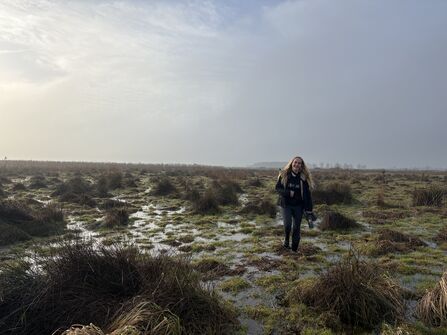
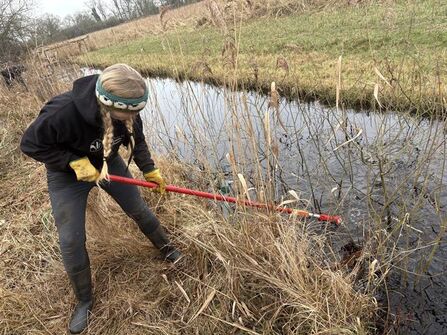
After this, I was able to get a permanent job role in 2025, working in reserve management. Unfortunately, a regular challenge many conservation charities face is limited funding; charities in particular have been hit hard by inflation. I was sadly caught up in this and once again I had to look elsewhere for opportunities. This was when I came across the Great Fen’s Peatland Progress traineeships. Throughout uni, I had always wanted to work for a local Wildlife Trust and so was amazed to see that the traineeship would be based at one of my childhood nature reserves and was specifically offered for young people like myself.

Conservation is a victim of the ‘passion pay gap’ phenomenon, in which professionals receive low salaries or are expected to volunteer because they care deeply about their work. Having qualifications like a driving license and the flexibility to relocate for jobs can help, but that's a barrier itself - not everyone is able to do so. This is why it’s so important, particularly for young people, to talk about their career paths. To offer other individuals’ advice on how to break into the sector in an accessible way and to ensure the industry is listening too. Attending events such as the BTO Youth Summit, the Wildlife Trusts’ Youth Week, joining youth forums and networking through online communities are all valuable tools. 

I have gained so much from this traineeship in less than six months, and I am extremely grateful that organisations like the Wildlife Trust BCN are taking new steps to tackle the issue of job accessibility for young people in conservation. The traineeship gave me the skills, confidence and the financial breathing space to consider a big move for the next stage of my conservation career. I'm returning to Japan, beginning a Masters in the effect of paddy field abandonment on amphibian populations! Otsukeresama deshita.

Kaitlyn sites outdoors wearing a Christmas jumper smiling to camera

Kaitlyn Goodwin: The BTO Nature in Youth Summit 2026 was one of my first conferences and I absolutely loved it. One of the best things I found about the summit was being able to talk to people who are passionate about nature and discuss the difficulties with getting into a career in this sector.

I went to university for a Zoology degree but it wasn't until my third year that I decided I wanted to pursue a career in conservation. With the realisation my degree was soon ending, I panicked that I didn’t have experience. During university, I was really depressed which kept me from gaining any experience; with the thought I wouldn’t have a future, I never planned for it. That's when my academic advisor suggested I volunteer and I'm so pleased they did. It was whilst volunteering with Sussex Wildlife Trust that I knew wanted to work in conservation.

When I got back home to Cambridge, I was delighted to be able continuing my volunteering with the local Wildlife Trust at community events and school visits. I also joined the Young People's Forum, meeting more people passionate about the planet and taking meaningful action to help.  However, as I didn’t have enough money to move out (rental rates would have quickly drained my savings!), I was constrained to job hunting within Cambridgeshire. On a personal level, I was also terrified of living on my own in case I got depressed again; I never want to go back to that feeling. With the limited area range and limited experience, I really struggled, not even landing interviews.

Nature has helped my mental health a lot. Sometimes my anxiety flares up and at times I do feel like an imposter, particularly when I don’t know something that appears really well-known in the conservation world. Having the opportunity to be in nature with my volunteering was the ideal combination for future and current me. My volunteering work initially led to a paid internship with the Great Fen team, and then the new paid Peatland Progress traineeship. Both of these expanded my experience and skills-base, and I was valued for what I could bring to the team too. I feel a lot more confident about being able to get a job now, with these experiences and finally having enough money saved up!  I'm now off to become an Assistant Ranger at Blakeney Point in Norfolk. Being able to secure a job with an accommodation perk has really helped me - the rent relief is so valuable, and I feel ready for living alone for a short period. It's my turn to meet the terns!

Ellen sits outdoors wearing a Christmas jumper smiling to camera

Ellen Blackmore, Peatland Progress trainee.

Ellen Blackmore: It’s no secret that starting a career in the environmental sector can be challenging, especially in the current job climate but I don't think any of us anticipated this level of competition for suitable roles! After completing my Environmental Science MSci at the University of Nottingham, I was fortunate to volunteer with Operation Wallacea in Croatia and at the Knepp Estate. With much of my practical work at university cancelled due to the COVID-19 pandemic, this opportunity felt particularly important for building my skills and revitalising my enthusiasm. However, I still lacked the experience needed to get my foot in the door in this sector, and not having a driving licence was becoming a significant barrier.

Volunteering is often presented as the solution to building up your experience – and it can work. It allows you to develop your skills while helping charities and organisations carry out valuable work. Yet, it’s important to recognise that this option isn’t viable for everyone. Financial circumstances, caring responsibilities, and other commitments can make it incredibly difficult to volunteer, which can create an unfair barrier to entering the sector. There is more we could do to make environmental careers more accessible for everyone.

That said, don’t give up! Volunteer if you can, but also keep an eye out for paid internships and traineeships. After spending some time in other work and learning to drive, I was fortunate to secure a six-month full-time paid traineeship with the Wildlife Trust BCN as part of the Peatland Progress project. This opportunity has allowed me to gain a breadth of experience across the Trust and with external organisations, building my skills and knowledge in the sector through a paid role that I otherwise wouldn’t have been able to take on. I’m now in a position where I have the relevant experience to begin applying for permanent entry-level roles in the sector – and I’m excited to see where this path leads next. If you’re trying to break into the environmental field too, keep going: it can feel impossible at times, but the opportunities do come.

Alison Chaves, Communities and Education Manager at the Great Fen said, “When we began planning for the Peatland Progress traineeships, we realised being able to offer a paid placement, particularly at the National Living Wage, was so important. Young people are leaving education or work placements eager to start making a real difference in the conservation sector and for our planet, but are so often asked to gain even more volunteer experience. This can be difficult for them for all sorts of reasons. We are very grateful for the generous support of the National Lottery Heritage Fund, via our Peatland Progress project, which has enabled this opportunity.”

Kaitlyn, Katie and Ellen stand in a nature reserve, all wearing dark hoodies. Kaitlyn and Katie rest protective goggles on their heads

Peatland Progress trainees, Kaitlyn, Katie and Ellen during a conservation work session at Strawberry Hill. Credit - Laura Allen. 

National Lottery Heritage Fund Logo

National Lottery Heritage Fund Logo